
Video game name ideas
A good game name is short, easy to spell after hearing it once, says something about the genre, and is not already taken. Below: six ways to build one, the word patterns each genre uses, a generator to get you started, and a four-step check before you commit.
Start with what the game is
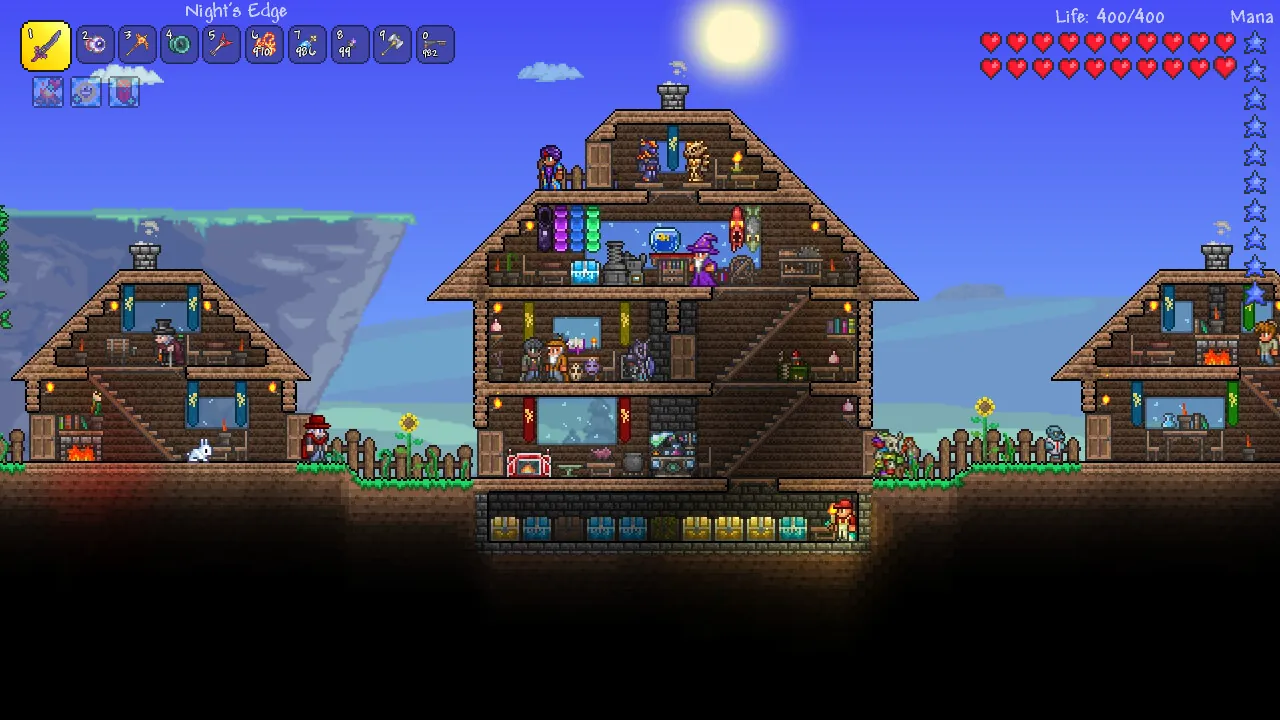
Before brainstorming words, write one line each for the genre, the setting, the platform and the fantasy the player gets ("you run a tiny ferry between islands"). Names that work almost always echo one of those four. Stardew Valley says farming and a place; Hollow Knight says a character and a mood; Slay the Spire says the verb and the goal.
Then decide the job the name has to do. On a store page the name sits next to a capsule image, so it does not have to explain everything. On a crowded search page it has to be distinctive enough that typing it brings up your game and not ten others.
Six ways to build a name
- Compound words. Join two plain words into one: Skyrim (sky + rim), Minecraft (mine + craft), Overwatch. Easy to remember, often easy to trademark because the combination is new.
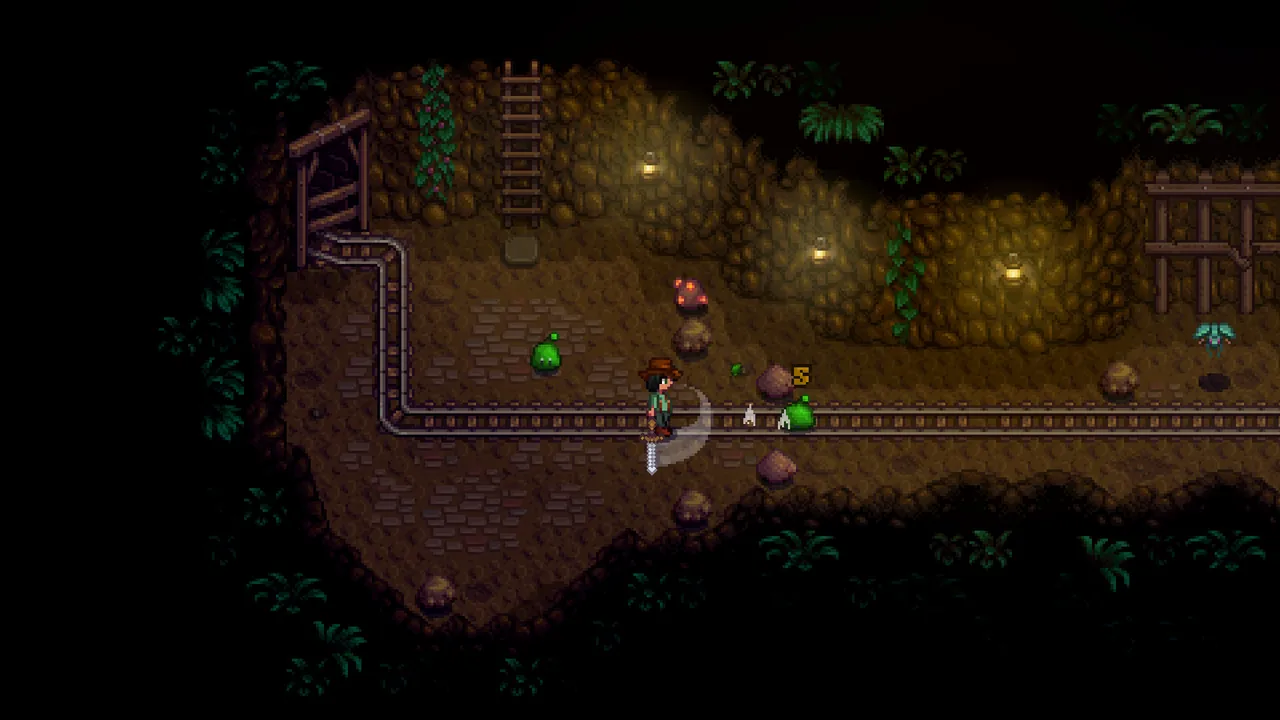
- A place. Name the world: Stardew Valley, Monument Valley, Outer Wilds. Good for exploration games.
- A character. Sonic the Hedgehog, Cuphead, Kirby. Works when the hero is the hook.
- The verb plus the goal. Slay the Spire, Papers, Please, Enter the Gungeon. Tells players what they do.
- A Latin or Greek root. Hades, Terraria (terra = earth), Subnautica. Sounds weighty; check it is not already common.
- Contrast or irony. A cute word on a grim game (Little Nightmares) or the reverse. Memorable, harder to pull off.
Word patterns by genre
| Genre | Typical sound | Example words | Real games that fit |
|---|---|---|---|
| RPG / fantasy | Long vowels, old-fashioned words | Chronicle, Oath, Ember, Crown | Elden Ring, Dragon Age |
| Shooter | Short, hard consonants | Strike, Zero, Breach, Siege | Doom, Halo, Apex Legends |
| Horror | Soft, low sounds; absence | Hush, Below, Static, Marrow | Inside, Soma, Signalis |
| Cozy / farming | Soft consonants, nature | Meadow, Lantern, Pebble, Hearth | Stardew Valley, Unpacking |
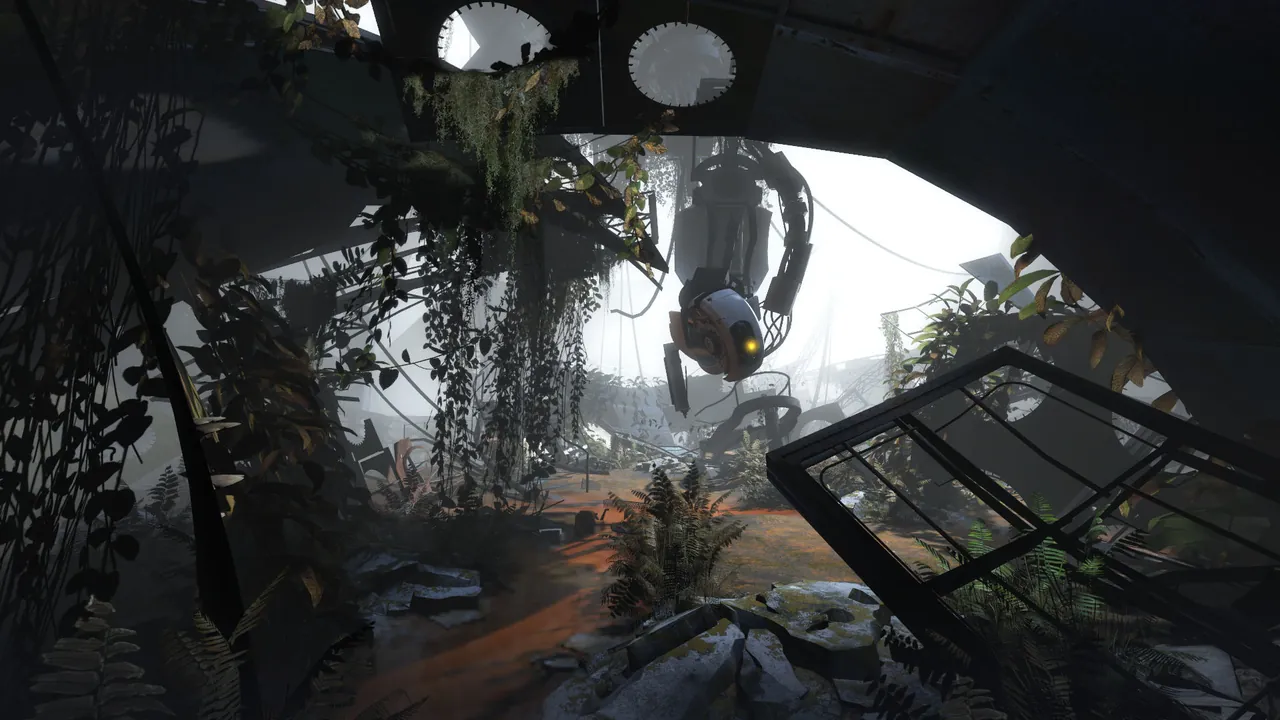
| Puzzle | Abstract nouns, wordplay | Prism, Fold, Knot, Cipher | Portal, Fez, Braid |
| Racing | Speed words, numbers | Drift, Apex, Redline, Turbo | Forza, Burnout, F-Zero |
The four-step clash check
Run every shortlisted name through these four checks, in this order, before you print it on anything.
- 1. Trademark search. The USPTO describes a trademark as a name or logo used to identify your business's goods, and recommends searching its database for similar marks before applying, because a confusingly similar earlier mark can block yours. Search the exact name and close spellings, in the classes that cover games and software. Other countries have their own registers (EUIPO, UK IPO).
- 2. Domain. Check whether the .com (or a clean alternative such as play[name].com) is free. You do not need the exact .com, but a name whose .com belongs to a different game company is a warning sign.
- 3. Store search. Search Steam, the App Store, Google Play and itch.io for the exact title and near-matches. Steamworks treats your game as one application whose store name you set, so pick the name before you build the store page.
- 4. Social handles. Check the name on the platforms you will market on. A free handle matters less than a famous account already using the name.
Trademark versus copyright, in plain terms
The US Copyright Office says titles, names and short phrases cannot be protected by copyright. That is why two unrelated games can share a title. What protects a game name is trademark, which comes from using the name in trade and, more strongly, from registering it.
So "is the name free?" really means "is anyone using a similar mark for similar products?" That is the question step 1 answers. Characters, art and music are a different matter: those are covered by copyright, so a fan game can pick a safe title and still run into trouble over borrowed characters.
Test the shortlist on real people
Once you have three to five names that pass the clash check, test them the cheap way. Say each name out loud to someone who has not seen the game, wait a day, and ask them to type it into a search box. The name they spell correctly is the one that will survive word of mouth, streams and podcasts, where nobody sees the logo.
Then show the names next to a single screenshot and ask which game each one sounds like. If people guess the wrong genre ("this sounds like a horror game" for your farming sim), the name is fighting your store page. Write down the words people use to describe the screenshot; they are often better raw material than anything on your original list.
Finally, look at the name small: as a 32-pixel favicon, as text on a phone store listing, and cut off after 15 characters. Store tiles and search results truncate long titles, so the first word or two need to carry the identity on their own.
Common naming mistakes
- A dictionary word on its own. A single common word ("Drift", "Ember") is almost impossible to find in search and is often already a trademark in some class. Pair it with a second word.
- Borrowing a famous structure too closely. "Something Valley" or "Hollow Something" signals a copy before players see the game.
- Numbers and odd capitals. "GAM3" or "xXRealmXx" look clever in a logo and break every time someone types them.
- Subtitles that do the naming. If the subtitle is the memorable part ("Quest of the Ember Crown"), make it the title.
- Changing the name late. Steam, trailers, press notes and the domain all carry the name; pick it before the store page and the first trailer go public.
- Skipping other languages. Check that the name is not an unfortunate word in the main languages your game will be sold in.
Worked example: naming an island delivery game
Imagine a small game where you deliver parcels by boat between floating islands. This is an invented brief for a naming exercise. Write the promise before listing names: a relaxed journey, a little navigation, and the satisfaction of connecting people. A name built around combat would attract the wrong audience even if it sounded exciting. Put the promise beside your candidate list so you can compare every suggestion with the same goal.
Make three word banks. For the activity, write ferry, post, parcel, route and delivery. For the setting, write island, harbour, cloud, tide and archipelago. For the feeling, write gentle, little, evening, bright and home. Combine one activity word with one setting word, then try a shorter combination using the feeling bank. Cloudpost, Evening Ferry and Little Harbour are example outputs for this exercise; they are not claims of available trademarks, domains or store titles.
Now ask what each option promises. Cloudpost points toward mail in the sky but might need a screenshot to explain the boat. Evening Ferry gives the strongest sense of a quiet trip, but tells you less about delivering parcels. Little Harbour suggests a place to build or manage, which could mislead players if the game contains no building. This comparison gives you a reason to keep or discard a name beyond whether you personally like its sound.
Write a one-sentence store description under each surviving title. If you need three sentences to explain why a name fits, the connection may be too indirect. Keep one literal option and one more evocative option for testing. Do not force the generator to choose a winner: its job is to produce material, while your brief and audience decide what survives.
Build a small naming decision sheet
Use a sheet with one row per candidate and columns for spelling, audience expectation, search collisions, legal questions and practical presentation. Record observations in plain language instead of inventing a numerical score. “Three people typed the second word differently” is more useful than “memorability: eight out of ten.” Keep the original test wording too, so you can repeat the exercise after changing a title.
For spelling, say the title once without showing it, then ask the listener to write it. For audience expectation, show the title without artwork and ask what they imagine doing in that game. For presentation, place the title on a rough store capsule and a narrow mobile layout. These checks answer different questions; a beautiful logo cannot tell you whether someone can spell the name after hearing it on a podcast.
Treat a collision as something to investigate, rather than an automatic yes or no. An unrelated dictionary entry, an abandoned student project and an active commercial game are different findings. Record the actual page and date for each match. If a legal question remains, take those findings to a qualified adviser in the markets where you plan to sell; a generator or a clear search result cannot resolve it.
Keep the rejected candidates in the sheet with a short reason. This prevents the team from repeatedly suggesting the same attractive name that already failed a practical check. Once a title is chosen, record its exact spelling, capitalisation and subtitle in one shared place. Use that version in the store page, trailer, website and press materials so players searching for it meet a consistent name.
Before announcing the title, repeat the searches you performed earlier and date the decision sheet. A candidate that looked clear during a prototype may meet a newly announced project months later. The goal is a documented decision based on what you can actually observe, with unresolved questions kept visible. It is not a guarantee of registration or a prediction of how well the game will sell.
Naming a fan game
People regularly search for names for a fan-made game based on a famous series, without using that series' name. That instinct is right: the series name is the part most likely to be a registered trademark. Name the fan game after your own story ("Last Light at the Quarry"), and mention the inspiration in the description rather than the title.
FAQ
Are video game names italicized?
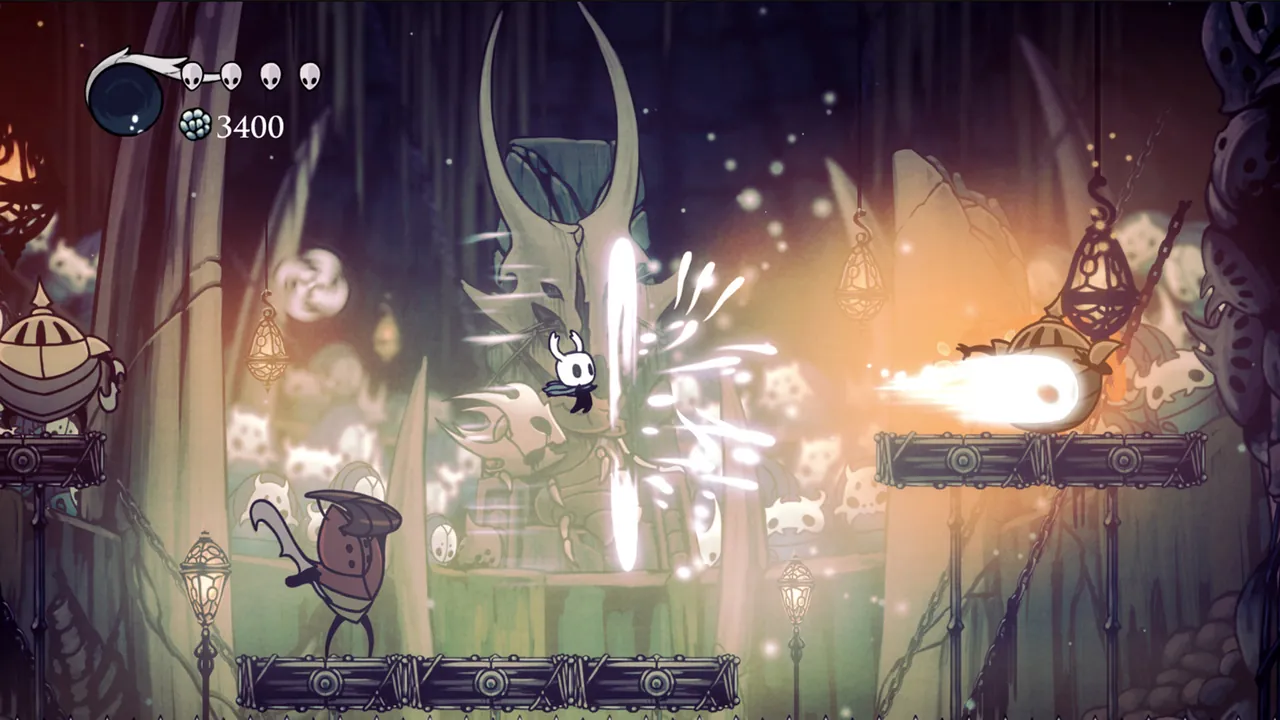
Yes. Most style guides, including Wikipedia's Manual of Style, set the title of a single game in italics (Hollow Knight), like a book or film. Series names and company names stay in roman type.
Can two games have the same name?
Yes, because titles cannot be copyrighted in the US. A registered trademark on a name for games can still stop a newer game using the same or a confusingly similar name.
Do I need to trademark my game's name?
Not to release it. Registering makes your rights much easier to enforce; many small studios register once a game shows traction. The USPTO site explains the process and timescales.
How long should a game name be?
There is no rule, but short names (one to three words, under about 15 characters) are easier to remember, search and fit on a store capsule.
What is a video game publisher name generator?
The same idea applied to studio names. Our generator works for studios too: put in two words you like and pick the "cozy" or "puzzle" bank for softer names.
Sources
Checked on 26 Nov 2026. How I compare sources is in the editorial policy.
- USPTO — Trademark basics — What a trademark is, why to search first, how registration works.
- US Copyright Office — Circular 33: Works Not Protected by Copyright — Names, titles and short phrases are not protected by copyright.
- Steamworks documentation — Applications — How a game is set up as one application on Steam.
- Wikipedia — List of video game genres — Genre names and one-line definitions.
- Wikipedia Manual of Style — Titles of works — Video game titles are set in italics; series names are not.
- Steam store pages — Release dates and screenshots for the games pictured.
Limitation: none of this is legal advice, and a name that passes these checks can still be challenged.